Keto Flu: Complete Guide to Symptoms, Prevention & Fast Relief
Feeling awful after starting keto? You're not alone. Learn exactly what keto flu is, why it happens, and how to beat it fast with proven remedies.
Table of Contents
What Is Keto Flu?
Keto flu is a collection of flu-like symptoms that many people experience when they first start the ketogenic diet. Despite its name, it's not actually the flu - you can't catch it from others, and it's not caused by a virus.
Instead, keto flu is your body's natural response to drastically reducing carbohydrate intake and transitioning from burning glucose (sugar) for energy to burning fat and producing ketones. This metabolic shift, called ketosis, causes temporary side effects as your body adapts.
Good News: Keto flu is temporary, preventable, and completely manageable with the right strategies. Not everyone experiences it, and those who do can minimize symptoms significantly.

Common Keto Flu Symptoms
Symptoms can range from mild to severe and vary from person to person. Here are the most common complaints:
Mental/Cognitive
- Brain fog and mental fatigue
- Difficulty concentrating
- Irritability ("keto rage")
- Mood swings
- Dizziness
Energy & Body
- Fatigue and weakness
- Muscle cramps
- Body aches
- Heart palpitations
- Headaches
Digestive
- Nausea
- Constipation
- Sugar cravings
- Stomach pain
- Decreased appetite
Sleep & Recovery
- Insomnia
- Trouble sleeping
- Poor exercise performance
- Reduced endurance
- Difficulty waking up
What Causes Keto Flu?
Understanding why keto flu happens helps you prevent and treat it effectively. The main culprits are:
1. Electrolyte Imbalance (The Primary Cause)
When you drastically cut carbs, your insulin levels drop. Lower insulin causes your kidneys to excrete more sodium and water. This rapid water loss also flushes out other crucial electrolytes:
- Sodium: Lost rapidly through urine. Low sodium causes headaches, fatigue, nausea.
- Potassium: Essential for muscle function. Deficiency causes cramps and weakness.
- Magnesium: Needed for 300+ body processes. Low levels cause muscle cramps, insomnia, irritability.
2. Dehydration
Each gram of glycogen (stored carbs) holds 3-4 grams of water. When you deplete glycogen stores, you lose significant water weight. This is why people lose 5-10 pounds in the first week - it's mostly water! But this rapid dehydration contributes to keto flu symptoms.
3. Carb Withdrawal
Carbohydrates trigger dopamine and serotonin release in the brain. When you suddenly remove them, you may experience withdrawal-like symptoms including irritability, cravings, and mood swings - similar to caffeine withdrawal.
4. Metabolic Transition
Your body needs time to ramp up fat-burning enzymes and become efficient at using ketones for fuel. During this transition period (before you're "fat-adapted"), you may feel sluggish because your body isn't yet efficient at accessing its new fuel source.
How Long Does Keto Flu Last?
Good news: Keto flu is temporary! The typical timeline is:
Typical Keto Flu Timeline
Day 1-2: Onset
Symptoms typically begin within 24-48 hours of drastically reducing carbs. You may feel slightly tired or notice mild headaches.
Day 3-5: Peak Symptoms
This is usually when symptoms are worst. Fatigue, brain fog, irritability, and muscle cramps are most pronounced. Your body is deeply depleting glycogen and adjusting to new fuel sources.
Day 6-10: Recovery
Symptoms start improving significantly. Most people feel noticeably better by day 7-10. Energy returns, mental clarity improves, cravings diminish.
Week 2-4: Full Adaptation
By week 2-4, most people are fully adapted and symptom-free. Energy levels often exceed pre-keto baseline. Mental clarity, stable mood, and reduced hunger become the norm.
Individual Variation: Some people have no symptoms at all, while others may experience mild discomfort for up to 2-3 weeks. Factors include previous diet, metabolism, electrolyte intake, and how strictly you follow the diet.
Prevention Strategies (BEFORE Starting Keto)
The best way to handle keto flu is to prevent it from happening in the first place. Here's how:
1. Gradually Reduce Carbs (Recommended for Beginners)
Instead of going from 200-300g carbs per day to 20g overnight, ease into it over 1-2 weeks:
- Week 1: Reduce to 100-150g carbs (eliminate obvious sugars, soda, candy)
- Week 2: Reduce to 50-75g carbs (cut bread, pasta, rice)
- Week 3: Drop to 20-30g net carbs (full keto)
This gradual approach allows your body to adapt more smoothly and significantly reduces keto flu severity.
2. Increase Salt Intake (Critical!)
This is THE most important prevention strategy. As insulin drops, you lose sodium rapidly. You need to consume 3,000-5,000mg sodium daily (roughly 1.5-2.5 teaspoons of salt).
How to Get Enough Sodium:
- Salt your food liberally at every meal
- Drink salted water or bone broth throughout the day
- Add pink Himalayan salt or sea salt to your water bottle
- Use electrolyte supplements (see recommended products below)
3. Stay Hydrated
Aim for at least half your body weight in ounces of water daily. For example, if you weigh 180 lbs, drink 90+ ounces (about 2.5 liters) of water.
4. Supplement Electrolytes from Day 1
Don't wait for symptoms to appear. Start supplementing these electrolytes immediately:
- Sodium: 3,000-5,000mg per day (salt, broth, electrolyte drinks)
- Potassium: 3,000-4,000mg per day (avocado, spinach, salmon, supplements)
- Magnesium: 300-400mg per day (spinach, nuts, or magnesium glycinate supplement)
5. Eat Enough Fat and Calories
Don't reduce carbs and fat simultaneously - you'll feel terrible! Make sure you're eating enough fat and overall calories to give your body energy during the transition. This isn't the time to restrict calories aggressively.
Instant Relief Remedies (If You Already Have Keto Flu)
Already suffering? These remedies provide rapid relief:
#1 Fast Relief: Electrolyte Drink
Mix this "keto-ade" recipe and drink it throughout the day:
- 24-32 oz water
- ½ teaspoon pink Himalayan salt or sea salt
- ¼ teaspoon lite salt (for potassium)
- Juice of ½ lemon or lime
- Optional: liquid stevia or sugar-free flavor drops
Most people feel relief within 15-30 minutes!
#2 Bone Broth (Nature's Electrolyte Drink)
Bone broth is packed with sodium, potassium, magnesium, and collagen. Sip 1-2 cups throughout the day, especially when feeling fatigued or nauseous. Warm bone broth is particularly soothing for headaches and stomach discomfort.
#3 Magnesium Supplement (Before Bed)
Take 300-400mg magnesium glycinate or citrate before bed. This helps with muscle cramps, sleep issues, and constipation. Magnesium is one of the most commonly deficient minerals on keto.
#4 Rest and Reduce Exercise Intensity
Don't push through intense workouts during keto flu. Your body is adapting to a new fuel source. Take it easy with light walks, gentle yoga, or rest days. Resume intense exercise once you feel better.
#5 Eat More Fat (Especially MCT Oil)
MCT oil converts rapidly into ketones, providing quick energy. Add 1-2 tablespoons to coffee or smoothies. Also increase your intake of fatty foods like avocado, salmon, eggs, and butter.
#6 Improve Sleep Quality
Sleep helps your body adapt faster. Take magnesium before bed, keep your room cool and dark, and avoid screens 1-2 hours before sleep. Consider eating most of your carbs (within your keto limit) at dinner to support sleep.
Recommended Products for Keto Flu Relief
These products can help prevent and treat keto flu symptoms effectively:
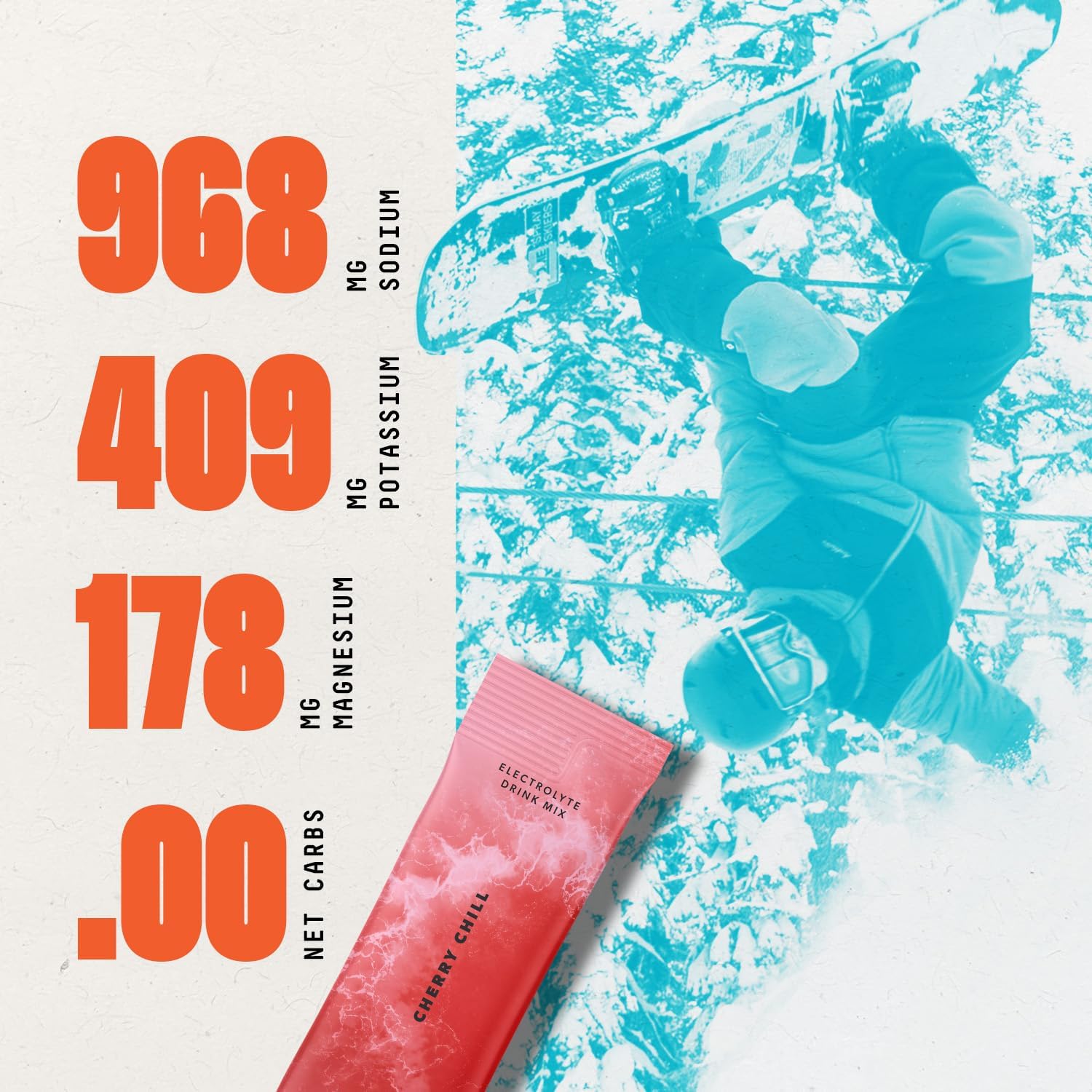
#1 Recommended: Electrolyte Powder + Magnesium
This comprehensive electrolyte powder contains sodium, potassium, and magnesium - the three critical minerals you need to prevent keto flu. Zero sugar, zero carbs, and comes in refreshing flavors.
Perfect for: Daily prevention, instant symptom relief, post-workout recovery
View on Amazon
Best for Comfort: Bone Broth
Rich in natural sodium, potassium, and collagen from slow-simmered bones. Bone broth is soothing for nausea, provides instant hydration, and tastes delicious. Keep some on hand for quick relief.
Perfect for: Morning energy boost, soothing nausea, comfort during symptoms, natural electrolytes
View on Amazon
Best for Sleep & Cramps: Magnesium Supplement
High-absorption magnesium glycinate helps with muscle cramps, sleep quality, and constipation. Essential for anyone on keto, especially during the adaptation phase. Take before bed for best results.
Perfect for: Muscle cramps, better sleep, constipation relief, daily maintenance
View on AmazonPro Tip: Get all three products to create a complete keto flu prevention and treatment system. Use electrolyte powder daily, bone broth when feeling symptoms, and magnesium before bed.
When to See a Doctor
While keto flu is generally harmless and self-limiting, you should consult a healthcare provider if:
Seek Medical Attention If:
- Symptoms persist beyond 3 weeks despite proper electrolyte supplementation
- Severe heart palpitations or irregular heartbeat
- Chest pain or difficulty breathing
- Severe dizziness or fainting
- Persistent vomiting or inability to keep food/water down
- Fever (this isn't normal keto flu - may indicate actual illness)
- Pre-existing conditions like diabetes, kidney disease, or heart problems
- Pregnant or breastfeeding (consult doctor before starting keto)
If you have any pre-existing medical conditions, are taking medications, or have concerns about starting a ketogenic diet, always consult with your healthcare provider first.
Frequently Asked Questions
Is keto flu dangerous?
No, keto flu is not dangerous for most healthy adults. It's uncomfortable but temporary. However, if you have pre-existing medical conditions (especially diabetes, kidney disease, or heart problems), consult your doctor before starting keto.
Can I completely avoid keto flu?
While you can't always avoid it entirely, you can significantly minimize symptoms (or eliminate them completely) by proactively managing electrolytes, staying hydrated, and transitioning gradually. Many people who follow the prevention strategies experience little to no keto flu.
Will keto flu come back if I eat carbs and restart keto?
Yes, if you significantly increase your carb intake (leave ketosis) and then restart keto, you may experience keto flu symptoms again as your body re-adapts. The severity often depends on how long you were out of ketosis and your electrolyte management.
Should I take a multivitamin on keto?
A quality multivitamin can help, but it's not a substitute for proper electrolyte supplementation. Most multivitamins don't contain enough sodium, potassium, or magnesium to prevent keto flu. Focus on electrolytes first, then consider a multivitamin for general nutritional support.
Can I exercise during keto flu?
Light exercise (walking, gentle yoga) is fine and may even help. However, avoid intense workouts until symptoms subside. Your body is adapting to a new fuel source, so pushing hard can worsen fatigue and extend adaptation time. Resume normal training once you feel better.
Does keto flu mean I'm in ketosis?
Not necessarily. Keto flu indicates your body is transitioning and depleting glycogen, but it doesn't confirm ketosis. You can be in ketosis without experiencing keto flu, and you can have keto flu symptoms without being fully in ketosis yet. Use keto strips or a blood meter to confirm ketosis.
What's the fastest way to cure keto flu?
The fastest relief comes from drinking a homemade electrolyte drink (keto-ade) with salt, lite salt (potassium), and water. Most people feel better within 15-30 minutes. Follow up with bone broth, magnesium supplements, adequate water, and rest.
Beat Keto Flu & Start Feeling Amazing
Don't let keto flu stop your progress! Get the essential supplements to prevent and treat symptoms.
Related Keto Guides
Disclaimer: This guide is for informational purposes only and is not medical advice. Always consult with a healthcare provider before starting any new diet, especially if you have pre-existing medical conditions, are pregnant, breastfeeding, or taking medications. Some of the links on this page are affiliate links, which means we may earn a commission if you make a purchase through them at no additional cost to you.