
Master the science of sustainable weight loss through strategic calorie deficit - works with ANY diet including keto.
Affiliate Disclosure: This page contains affiliate links. As an Amazon Associate, we earn from qualifying purchases. When you click on product links and make a purchase, we may receive a small commission at no additional cost to you. This helps support our website and allows us to continue creating helpful content. We only recommend products we genuinely believe will benefit your weight loss journey. Thank you for your support!
Want to lose weight and keep it off? The key isn't a magic pill or restrictive diet - it's understanding and maintaining a calorie deficit. Whether you're following keto, paleo, vegan, or any other eating plan, weight loss happens when you consistently consume fewer calories than your body burns.
This guide will teach you how to create a sustainable calorie deficit, set realistic goals, and eat at the calorie level of your ideal weight - not your current weight. This approach makes weight loss feel natural and sustainable.
A calorie deficit occurs when you consume fewer calories than your body expends for energy. Your body then taps into stored fat to make up the difference, resulting in weight loss.
Key Insight: A deficit of 500 calories/day = approximately 1 pound lost per week
Instead of drastically cutting calories from your current maintenance level, here's a smarter approach: Calculate the maintenance calories for your ideal goal weight and eat at that level.
Starting Weight: 220 lbs | Ultimate Goal: 160 lbs
Total Timeline: 6-9 months to lose 60 lbs sustainably with minimal metabolic adaptation.
Your goal weight should be:
| Weight to Lose | Conservative Timeline | Aggressive Timeline |
|---|---|---|
| 10-15 lbs | 2-3 months | 5-8 weeks |
| 20-30 lbs | 4-6 months | 10-15 weeks |
| 40-50 lbs | 8-12 months | 20-25 weeks |
| 60+ lbs | 12-18+ months | 30-40 weeks |
Conservative = 0.5-1 lb/week | Aggressive = 1.5-2 lbs/week
Use the Mifflin-St Jeor Equation:
For Men: (10 × weight in kg) + (6.25 × height in cm) - (5 × age) + 5
For Women: (10 × weight in kg) + (6.25 × height in cm) - (5 × age) - 161
Then multiply by your activity level:
Use the same formula above, but plug in your goal weight instead of current weight. This gives you the calories needed to maintain your ideal weight.
Start consuming the calories calculated for your goal weight. This creates a natural deficit while preparing your body for long-term maintenance.
Current Stats: Female, 35 years, 180 lbs, 5'6", Lightly Active
Goal Weight: 140 lbs
Current Maintenance:
BMR = (10 × 81.6) + (6.25 × 168) - (5 × 35) - 161 = 1,499 calories
TDEE = 1,499 × 1.375 = 2,061 calories/day
Goal Weight Maintenance:
BMR = (10 × 63.5) + (6.25 × 168) - (5 × 35) - 161 = 1,099 calories
TDEE = 1,099 × 1.375 = 1,511 calories/day
Sarah eats 1,511 calories/day (550 calorie deficit) → Expects to lose ~1.1 lbs/week
The ketogenic diet can make maintaining a calorie deficit easier due to increased satiety from fats and proteins. However, you still need a calorie deficit to lose weight - even on keto.
Learn more about combining keto with weight loss in our comprehensive Keto for Weight Loss Guide.
Successful weight loss requires accurate tracking. Here are the essential tools you need:

Accurate portion control is crucial. The Etekcity Smart Food Scale tracks nutrition and calories automatically.
Perfect for:

OXO Good Grips stainless steel measuring cups for consistent, accurate portions every time.
Perfect for:

Greater Goods Digital Body Weight Scale tracks weight trends and syncs with apps for progress monitoring.
Perfect for:
While not magic solutions, these supplements can support your weight loss journey:

LMNT Keto Electrolyte Powder - prevents fatigue, supports hydration, especially important on keto diet.
Benefits:

Sports Research Organic MCT Oil - supports ketone production, increases satiety, boosts energy.
Benefits:

Perfect Keto Collagen Protein - preserves muscle during weight loss, supports recovery, low-carb.
Benefits:
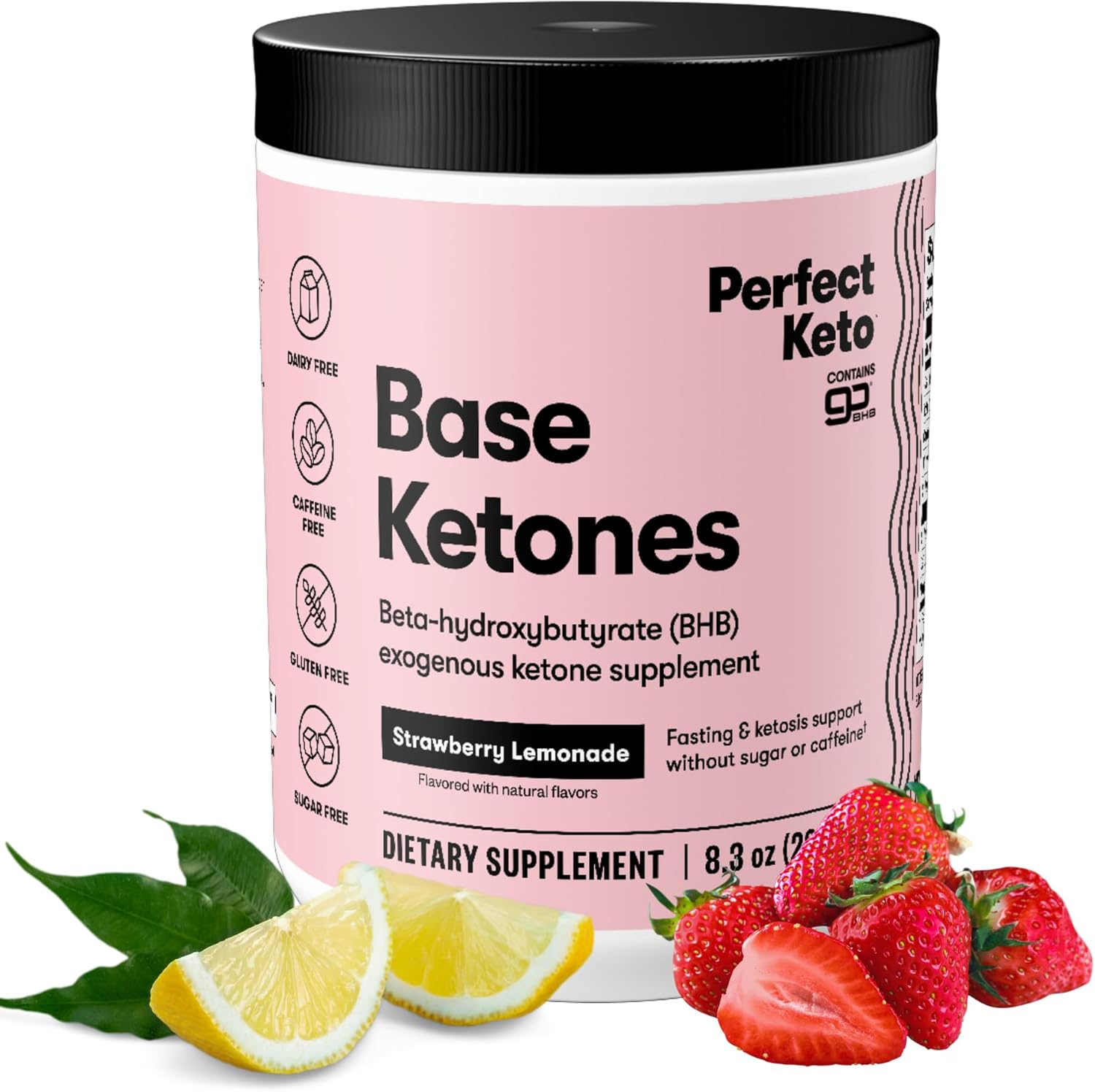
Perfect Keto Exogenous Ketones Powder - accelerates ketosis, boosts energy, mental clarity during calorie deficit.
Benefits:
Mistake: Cutting calories by 1,000+ per day for rapid weight loss.
Result: Muscle loss, metabolic slowdown, unsustainable hunger, potential health issues.
Solution: Stick to 500-750 calorie deficit maximum (1-1.5 lbs/week loss).
Mistake: Eyeballing portions, forgetting oils/condiments, not weighing food.
Result: Consuming more calories than you think, stalled weight loss.
Solution: Use a food scale, track everything including drinks and cooking oils.
Mistake: Only focusing on calories, neglecting protein (0.8-1g per lb of goal weight).
Result: Muscle loss instead of fat loss, slower metabolism.
Solution: Prioritize protein (20-30% of calories), track macros not just calories.
Mistake: Strict during the week, binge eating on weekends.
Result: Weekend surplus negates weekly deficit, no net weight loss.
Solution: Plan higher-calorie weekend days into your weekly budget or maintain consistency 7 days/week.
For most people, the difference between current and goal weight maintenance is 300-800 calories - well within the safe deficit range. If the deficit exceeds 1,000 calories, use the staged approach (multiple intermediate goals).
Technically yes, but it's much harder. You need a deficit whether you count or not. Intuitive eating works for some, but most people underestimate intake by 20-50%. Tracking at least initially helps you learn proper portions.
Plateaus are normal. Your body adapts to lower weight, reducing calorie needs. Solutions: 1) Recalculate your maintenance calories at your new weight, 2) Increase activity slightly, 3) Take a 1-2 week diet break at maintenance to reset hormones, 4) Ensure you're tracking accurately.
No, weight loss is primarily driven by calorie deficit from diet (80% diet, 20% exercise). However, exercise helps preserve muscle, increases calorie burn, improves health markers, and makes weight maintenance easier. Aim for 150+ minutes moderate activity weekly.
No. Intermittent fasting is just a tool to help create a calorie deficit by limiting eating windows. It works for some people because it's easier to eat less in 8 hours than 16 hours. But you still need a deficit - you can overeat in an 8-hour window too.
Not if you transition properly. This is why eating at your goal weight's maintenance is so powerful - you're already eating the right amount when you reach your goal. Maintain that calorie level, keep tracking occasionally to stay accountable, and you'll maintain your weight long-term.
Get the essential tools to track your calorie deficit and reach your goal weight.
Affiliate Disclosure: Keto Food Ideas is a participant in the Amazon Services LLC Associates Program, an affiliate advertising program designed to provide a means for sites to earn advertising fees by advertising and linking to Amazon.com. We may earn a commission from qualifying purchases at no additional cost to you. All opinions and recommendations are our own.